7 Dallas Neighborhood Clues First-Time Buyers Should Notice Before Touring
7 Dallas Neighborhood Clues First-Time Buyers Should Notice Before Touring
House hunting gets a lot easier when you learn to read a neighborhood before you ever step through the front door. In Dallas, the block can tell you almost as much as the listing sheet: how people live, how homes are maintained, how busy the area feels at different times of day, and whether a property is likely to fit your long-term goals. For first-time buyers, those little signals matter because they shape everything from daily comfort to resale potential.
That is why experienced local guidance is so valuable. With deep Dallas-area roots and years of Texas real estate experience, Hatley & Associates Realty, LLC brings the kind of practical insight that helps buyers notice what photos often miss. Carolyn Overstreet-Hatley’s background in leadership, teaching, and coaching also shows up in the process: buyers are not just rushed from showing to showing, but equipped to evaluate each area with more confidence.
1. Watch the rhythm of the street. A neighborhood’s pace tells a story. As you drive in, notice whether traffic feels frantic or manageable, whether cars move slowly, and whether turning in and out seems stressful. A charming home can lose its shine quickly if it sits on a cut-through route everyone uses to avoid a major road. In many Dallas neighborhoods, a few blocks can make a big difference between peaceful residential living and constant movement.
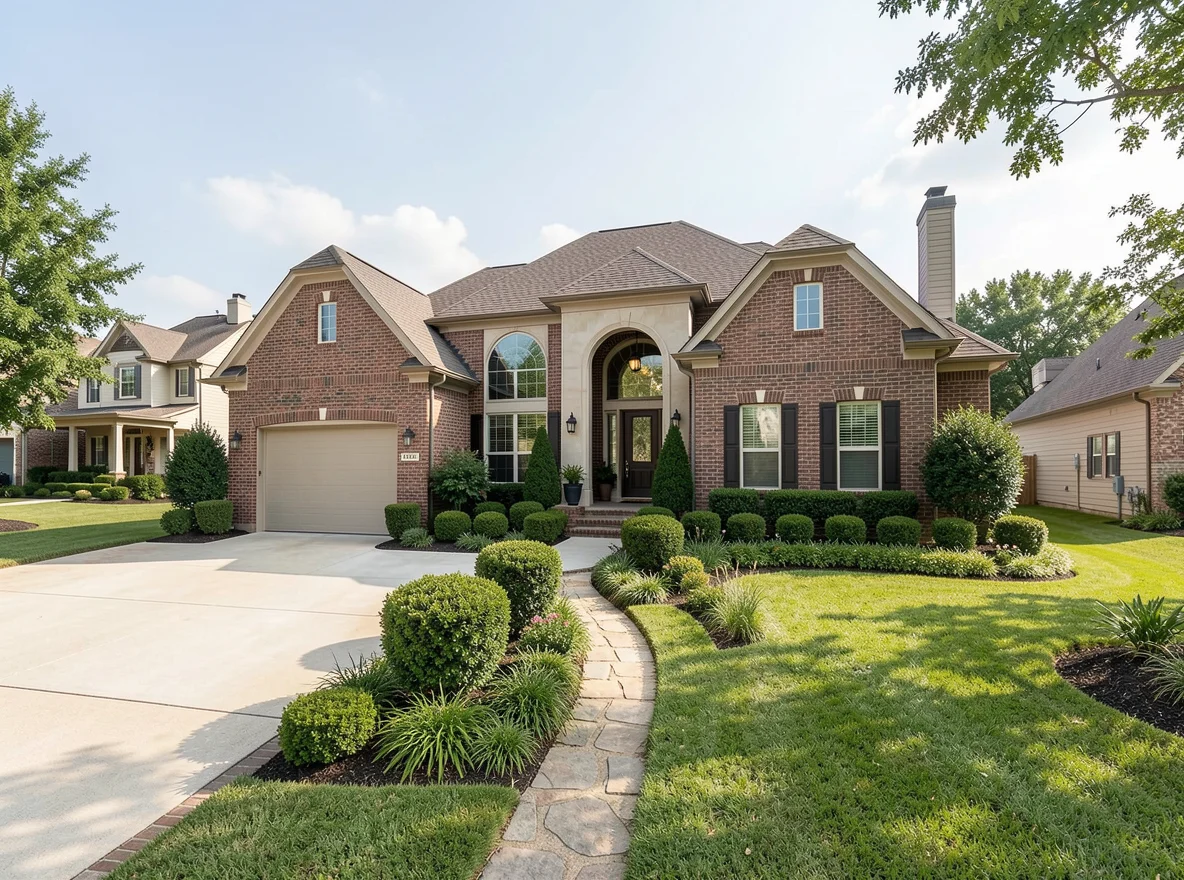
2. Look at how homes are cared for overall, not just the one for sale. You are buying into the surrounding environment as much as the property itself. Consistent lawn care, trimmed trees, tidy driveways, and repaired fences can suggest owners are invested in the area. On the other hand, a street with uneven maintenance may mean values rise more slowly or that upkeep standards vary widely. It does not have to be perfect, but it should feel stable.
3. Pay attention to parking patterns. This clue is often overlooked by first-time buyers. Are garages actually being used, or is street parking packed on both sides? Are oversized vehicles lining the block every evening? In parts of Dallas with denser lot layouts or older subdivisions, parking pressure can affect convenience, guests, and even the overall feel of the street. If it already feels tight during a daytime tour, imagine coming home on a busy weeknight.
Small Signs That Reveal Everyday Livability
4. Notice sidewalks, shade, and walkability. Even if you are not planning long evening strolls every night, walkability adds quality of life. Sidewalk continuity, mature trees, safe crossings, and a comfortable sense of space all matter. Dallas buyers often appreciate neighborhoods where a quick walk, dog outing, or casual loop feels pleasant rather than exposed or inconvenient. Shade matters more than people expect in North Texas, especially during warmer months.
5. Check the transition between blocks. A neighborhood can shift fast from one street to the next. As you tour, glance beyond the immediate property and see what surrounds it in every direction. Is the home tucked near a major commercial corridor, a school pickup line, a noisy connector street, or an apartment entrance? None of those factors are automatically bad, but they affect lifestyle. Smart buyers consider the broader map, not just the prettiest angle of the house itself.
6. Listen as much as you look. Before you get out of the car, pause with the windows down. What do you hear? Barking dogs, highway hum, construction, aircraft, or a surprising amount of quiet? Sound carries differently across Dallas depending on nearby roads and development patterns. This is especially important for buyers relocating from another part of Texas or from out of state, where neighborhood expectations may not match local realities.
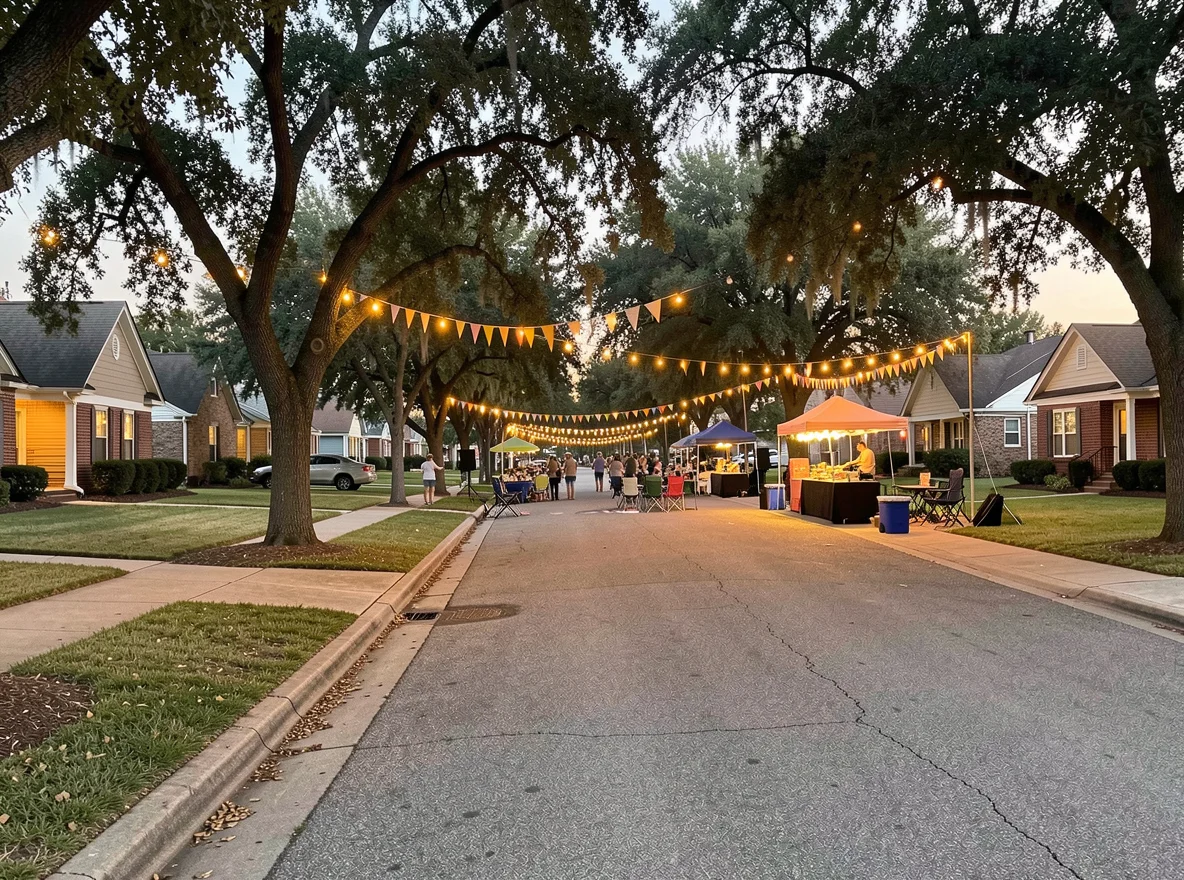
7. Observe signs of community use. A strong neighborhood usually feels lived in, not merely occupied. You might notice people walking dogs, neighbors chatting in driveways, bikes leaning by porches, or a nearby green space getting steady use. Those cues can point to a connected, comfortable area. They also help buyers imagine daily life beyond the transaction: weekends, routines, commutes, and the feeling of coming home.
Schools, recreation, and convenience should also factor into your early neighborhood read. Even buyers without school-age children often care about access to respected schools because of future resale appeal. Nearby parks, golf, trails, grocery options, and local gathering spots can influence how much time you spend in traffic versus enjoying your area. Dallas offers remarkable variety, from established neighborhoods with towering trees to newer communities with more uniform design and amenities, so matching the setting to your lifestyle is essential.
What These Clues Can Mean for Value
First-time buyers sometimes focus so intensely on finishes that they miss the bigger investment picture. Quartz counters and fresh paint are easy to photograph, but neighborhood signals often have a stronger effect on satisfaction over time. A modest home on a steady, well-kept street may prove a wiser choice than a trendier house in a location with constant congestion or inconsistent upkeep. Real estate value is shaped by context, and context is visible if you know where to look.
That is one reason many buyers benefit from working with an agent who can teach as well as advise. Instead of simply unlocking doors, a skilled local broker can point out traffic patterns, resale considerations, lot placement issues, and the character differences between nearby pockets of the city. For clients navigating Dallas for the first time, that coaching approach can reduce overwhelm and lead to better decisions.
The best tours are not just about whether you love a kitchen or a primary suite. They are about whether the neighborhood supports the life you want to build there. When you start noticing the clues hidden in plain sight, you become a more confident buyer, a sharper evaluator, and ultimately a better long-term owner. In a market as varied as Dallas, that kind of awareness is not a bonus. It is an advantage.