
Arlington or Dallas? 6 Questions That Clarify Your Best Fit
Arlington or Dallas? 6 Questions That Clarify Your Best Fit
Trying to choose between Arlington and Dallas can feel a little like comparing two versions of the North Texas lifestyle. Both offer energy, opportunity, and access to everything that makes this region such a magnet for newcomers and longtime Texans alike. The difference is in the rhythm of daily life: one city often feels more central and event-driven, while the other delivers a broader menu of neighborhoods, job centers, and urban experiences. If you are weighing a move, these six questions can help bring the decision into focus.

1. Do you want convenience to entertainment, or variety in everyday options? Arlington has a strong identity built around major attractions, sports, and a central location between Dallas and Fort Worth. For buyers who love being close to big events and appreciate a city that feels practical and approachable, that can be a major advantage. Dallas, by contrast, offers a wider range of day-to-day settings, from urban neighborhoods with a polished feel to quieter residential pockets with mature trees and distinct architecture. If your ideal weekend includes constant variety in dining, arts, and neighborhood exploration, Dallas may have the edge.
2. What kind of commute fits your life? This question matters more than many buyers expect. Arlington appeals to people who want easier access across the Mid-Cities and a more balanced position in the metroplex. Dallas can be a smart choice for those whose work, clients, or lifestyle are concentrated in the urban core or North Dallas business corridors. A home search guided by commute patterns often leads to a better long-term decision than one guided by a single favorite neighborhood. That is where experienced local guidance becomes especially valuable, because small map differences can create major daily quality-of-life changes.
3. Are you looking for neighborhood identity or citywide reach? Arlington tends to attract buyers who like a more straightforward residential experience, with established subdivisions, proximity to parks, and access to schools and local conveniences without feeling swallowed by a huge urban grid. Dallas tends to appeal to buyers who want options layered across many districts, each with its own personality. Some people thrive on that scale. Others prefer the simpler mental map and community feel that Arlington can provide. Neither is better universally; it depends on whether you want your city to feel intimate or endlessly expandable.
Think Beyond the Address and Into Daily Life
4. What stage of life are you in right now? First-time buyers, growing households, downsizers, and professionals relocating for work may all answer this differently. Arlington can be especially attractive for buyers who want a bit more breathing room, easier access to entertainment venues, and neighborhoods that often feel rooted and steady. Dallas may be better for those seeking proximity to specialized employers, private school options, design-forward housing, or a more urban social calendar. The right fit is often less about the city name and more about whether the home supports your current season and the one coming next.
5. How important are schools, recreation, and community amenities? For many buyers, this is the heart of the decision. Arlington offers established residential areas, city parks, and recreational amenities that appeal to households looking for activity without the pace of a denser urban setting. Dallas provides tremendous breadth, including private and public education choices, cultural institutions, trail systems, and neighborhood-level amenities that can vary dramatically from one area to the next. Buyers with children, or those planning ahead, often benefit from comparing not only school options but also after-school routines, park access, and how much driving ordinary errands will require.
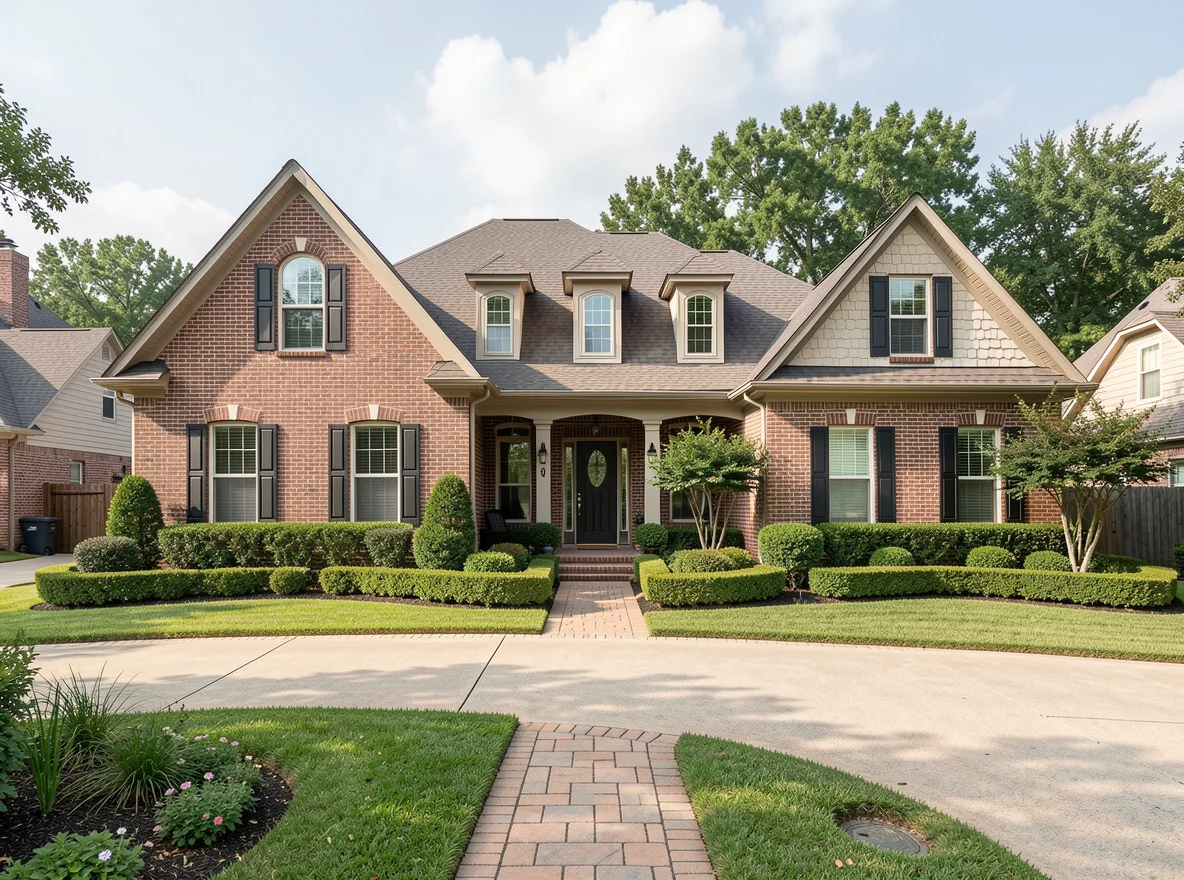
6. What does the real estate market need to do for you? Some buyers are prioritizing value, while others are chasing a specific style of home, lot size, school boundary, or future resale position. Arlington and Dallas can differ meaningfully in pricing, inventory feel, and the types of homes available in a given budget range. Arlington may offer stronger appeal for buyers seeking a practical blend of location and livability. Dallas may open the door to more architectural variety and neighborhood prestige, but often with different pricing dynamics. This is why broad online comparisons only go so far. Real insight comes from understanding the micro-markets within each city.
That market perspective is where local experience matters. A brokerage led by someone with longtime Dallas-area roots can often spot patterns that generic search portals miss: which blocks feel more stable, which pockets are quietly improving, where buyers tend to get better long-term value, and how to avoid choosing a home that works on paper but not in real life. Hatley & Associates Realty, LLC brings that practical perspective, shaped by deep Texas real estate experience and a leadership style grounded in teaching and coaching. For buyers, that often translates into clarity rather than pressure.
A Simple Way to Make the Decision
If you are still torn, try ranking the following from most important to least important: commute, budget, neighborhood feel, entertainment access, school preferences, and future resale goals. When buyers do that honestly, the right city usually begins to separate itself. Someone who values event access, central metroplex positioning, and a more straightforward residential experience may lean toward Arlington. Someone who wants layered neighborhood options, urban proximity, and broad lifestyle variety may find Dallas is the better match.
It also helps to tour both cities with a clear purpose. Instead of asking, “Which place is nicer?” ask, “Where would Tuesday feel easier? Where would Saturday feel more fun? Which home would still fit us in five years?” Those questions usually lead to a more confident answer than focusing only on square footage or list price. A skilled agent can guide that process by translating preferences into neighborhoods, showing you what your budget really buys, and helping you weigh tradeoffs without losing sight of your goals.
In the end, Arlington and Dallas are both strong choices, but they serve slightly different visions of home. One may offer the balance, access, and simplicity you want right now. The other may deliver the variety, ambition, and neighborhood depth you have been picturing. The best fit is the one that supports how you actually live. With thoughtful guidance and local insight, the choice becomes less overwhelming and much more exciting.